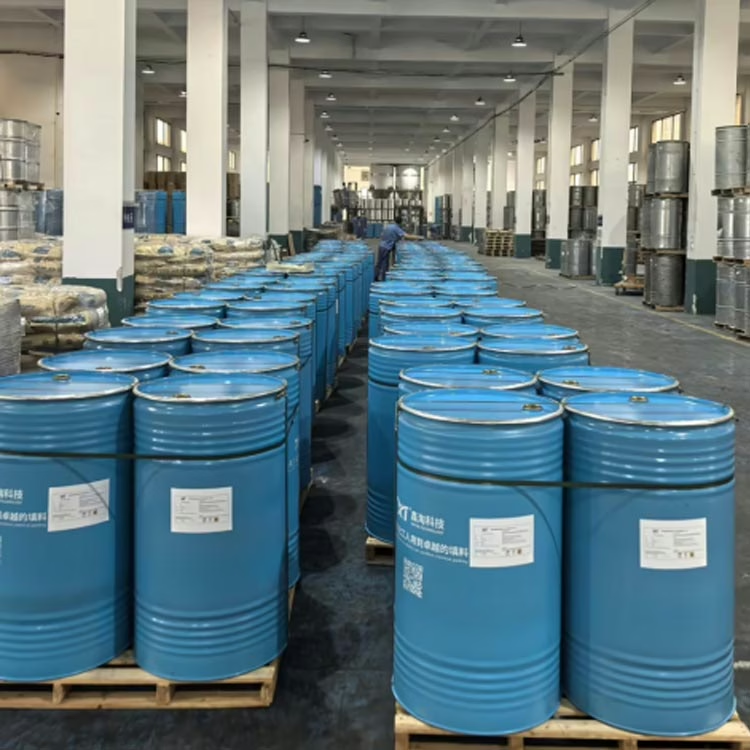

Proper molecular sieve replacement and filling are important for maintaining stable performance in large PSA/VPSA oxygen generation systems. Incorrect filling can lead to uneven adsorption beds, increased pressure drop, excessive dust generation, and unstable oxygen production.
What Should Be Checked Before Replacement?
Before replacing the molecular sieve, the system should be shut down, isolated, and depressurized according to the equipment manufacturer’s procedures. The old molecular sieve should be completely removed, and the adsorption tower should be cleaned to eliminate dust and residual material.
The distributor, support layer, filters, and top compression system should also be inspected. If abnormal pulverization or contamination is found, the possible causes should be investigated before loading new molecular sieve, particularly problems related to moisture, oil, or feed-air purification.
How Should the New Molecular Sieve Be Filled?
Molecular sieve should be protected from moisture, oil, and other contamination during storage and filling. The correct grade, particle size, and loading quantity should follow the original equipment design and supplier’s recommendations.
During filling, the adsorbent should be distributed as evenly as possible to maintain a uniform bed. Proper compaction and top compression are also important to reduce movement and attrition during repeated PSA cycles. Some PSA systems use specific filling or compaction methods designed to reduce sieve pulverization.
After filling, the tower should be properly sealed and checked for leakage before commissioning. During initial operation, monitor **oxygen purity, production capacity, pressure drop, and overall system performance**.